ILLEGAL MINING IN THE PHILIPPINES
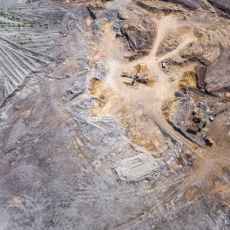
From continent to continent, illegal miners have inadvertently destroyed ecologically sensitive lands, contaminated rivers and drinking water with mercury and other toxins, and otherwise exposed many communities to serious environmental and health risks.
Mining Industry in the Philippines has been a controversial issue once again, as the Department of Environment and Natural Resources (DENR) secretary Gina Lopez advocates the total ban of mining for responsible and sustainable mining in the country.
Mining in the Philippines has been known early as year 1521. The Philippines is actually the fifth most mineral-rich country in the world for copper, nickel, gold and chromite. This has been a home to the largest copper-gold deposit in the world. According to Mines and Geo-sciences Bureau the country has $840 billion worth untapped mineral wealth.
The total ban of mining rests on the fact that mining activities has a destructive effect on natural resource, like the destruction of the natural habitat of different animal species. The dumping of chemicals in the mining could also pollute the other areas near the mining sites.
On the other hand, individuals also have the duty to use natural resources responsibly. The advocates for responsible and sustainable mining challenge folks to balance man’s self-interest and nature’s stability. However, those people who are in large mining corporations have firmly practiced their goals of achieving their self-interests forgetting the fact that these are the reasons why there is an imbalance in the biotic community.
For many in the gold mining industry in particular, illegal mining is seen as a factor most likely to dominate global mining challenges over the next 10 years. Recognizing that illegal mining cannot be completely eliminated, stakeholders can take steps to limit its expansion. Countering illegal mining requires a balanced, long-term strategy that confronts it both directly, and while addressing its root causes.

 carl atillo